Skip to content
Moradabad, Uttar Pradesh, 244001

Business hours

Qi Neuro spine Physiotherapy clinic

Monday
9am-7pm
Tuesday
9am-7pm
Wednesday
9am-7pm
Thursday
9am-7pm
Friday
9am-7pm
Saturday
9am-7pm
Sunday
Not provided

You can anytime during the day with your query.

8941063077

Latest Posts & Updates

Fresh stories, announcements and offers about Doctor, Chiropractor, Physiotherapist, straight from our business.

काइरोप्रैक्टर द्वारा पीठ समायोजन, या स्पाइनल मैनिपुलेशन, एक हाथों से की जाने वाली चिकित्सा है जिस…

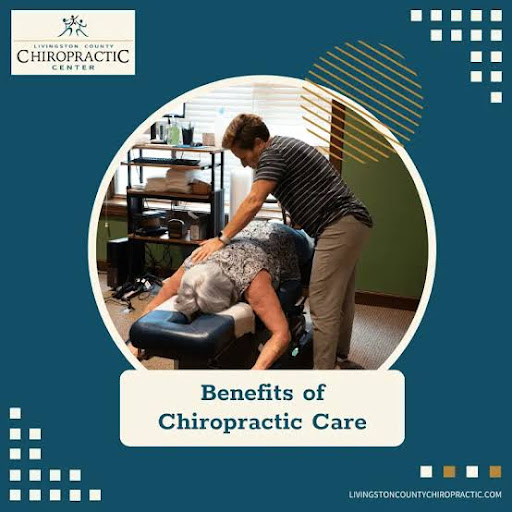
काइरोप्रैक्टर द्वारा पीठ समायोजन, या स्पाइनल मैनिपुलेशन, एक हाथों से की जाने वाली चिकित्सा है जिसमें नियंत्रित बल का उपयोग करके स्पाइनल गति और जोड़ों के कार्य में सुधार किया जाता है, जिसका उद्देश्य दर्द को कम करना और गतिशीलता को बढ़ाना है। काइरोप्रैक्टर अपने हाथों या किसी छोटे उपकरण का उपयोग करके स्पाइनल जोड़ पर दबाव डालते हैं ताकि अवरोधों को ठीक किया जा सके और संरेखण को बहाल किया जा सके। इसमें एक तेज़ दबाव शामिल हो सकता है, जिसके साथ अक्सर जोड़ में गैसों के निकलने से एक "पॉप" जैसी आवाज़ आती है, हालाँकि कुछ सौम्य तकनीकें भी उपलब्ध हैं। क्या उम्मीद करें प्रारंभिक मूल्यांकन: एक काइरोप्रैक्टर संभवतः आपकी पीठ की जांच करेगा और प्रभावित क्षेत्रों की पहचान करने के लिए आपके चिकित्सा इतिहास पर चर्चा करेगा। समायोजन: आप एक गद्देदार मेज पर लेटेंगे जबकि काइरोप्रैक्टर जोड़ पर नियंत्रित, सटीक बल लगाएगा। तकनीक: उच्च-वेग, निम्न-आयाम (HVLA) थ्रस्ट: यह एक सामान्य तकनीक है जिसमें जोड़ की गतिशीलता बढ़ाने के लिए उस पर एक त्वरित, नियंत्रित बल लगाया जाता है। अक्सर यही "पॉपिंग" ध्वनि उत्पन्न करता है, जो जोड़ से गैस निकलने की ध्वनि मात्र होती है। अन्य तकनीकें:आपका काइरोप्रैक्टर मोबिलाइजेशन जैसी कोमल विधियों का भी उपयोग कर सकता है , जिसमें धीमी गति से गति होती है, या विशेष टेबल जो यांत्रिक लिफ्टों का उपयोग करती हैं। समायोजन के बाद: आपको थोड़े समय के लिए दर्द महसूस हो सकता है, लेकिन कई लोगों को तुरंत राहत, आराम और गति की बेहतर सीमा का अनुभव होता है। काइरोप्रैक्टर समायोजन किसलिए है? पीठ दर्द: लोगों द्वारा काइरोप्रैक्टर्स के पास जाने का सबसे आम कारण।
काइरोप्रैक्टर द्वारा पीठ समायोजन, या स्पाइनल मैनिपुलेशन, एक हाथों से की जाने वाली चिकित्सा है जिस… post imageRead full post

Tennis Elbow / Lateral Epicondylitis

Tennis elbow (medical name: lateral epicondylitis) is a common condition that causes pain around the outside of your elbow. Despite the name, it’s not limited to tennis players — it can affect anyone who repeatedly uses their forearm muscles. What It Is Tennis elbow is caused by overuse or strain of the forearm extensor muscles, especially the extensor carpi radialis brevis. This leads to tiny tears in the tendon where it attaches to the lateral epicondyle (the bony bump on the outer elbow). 🛑 Symptoms Pain or burning on the outer side of the elbow Weak grip strength Pain that worsens when lifting, gripping, or twisting (like turning a doorknob or shaking hands) Tenderness when pressing on the outer elbow 🛑Common Causes Repetitive wrist or arm movements (tennis, painting, typing, carpentry, etc.) Poor technique in sports or work activities Sudden increase in activity level 🛑Treatment Options Most cases improve with non-surgical treatments: 1. Rest and Activity Modification Avoid or reduce repetitive gripping, lifting, or twisting. Use the non-affected arm when possible. 2. Ice and Pain Relief Apply an ice pack for 15–20 minutes several times a day. Use NSAIDs (e.g., ibuprofen) if tolerated, for pain and inflammation. 3. Physiotherapy Stretching and strengthening exercises for forearm muscles. Eccentric exercises (slowly lowering the wrist after lifting). Manual therapy or ultrasound therapy may help. 4. Bracing

Tennis Elbow / Lateral Epicondylitis post imageRead full post

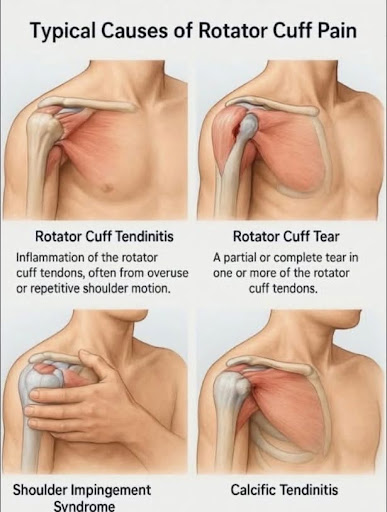
Understanding Rotator Cuff Pain: Causes You Should Know

Rotator cuff pain is a common shoulder issue that can disrupt daily life and your favorite activities. Swipe to see the top causes: 🔹 Rotator Cuff Tendinitis Inflammation from overuse or repetitive motion can lead to pain and reduced shoulder function. 🔹 Rotator Cuff Tear A tear in the tendons—partial or complete—can cause weakness and limit movement. 🔹 Shoulder Impingement Syndrome Occurs when shoulder movement pinches the rotator cuff, resulting in discomfort. 🔹 Calcific Tendinitis Calcium deposits build up in the tendons, causing pain and inflammation. If you experience persistent shoulder pain, consult with a healthcare professional for diagnosis and treatment options #fblifestyle

Understanding Rotator Cuff Pain: Causes You Should Know post imageRead full post

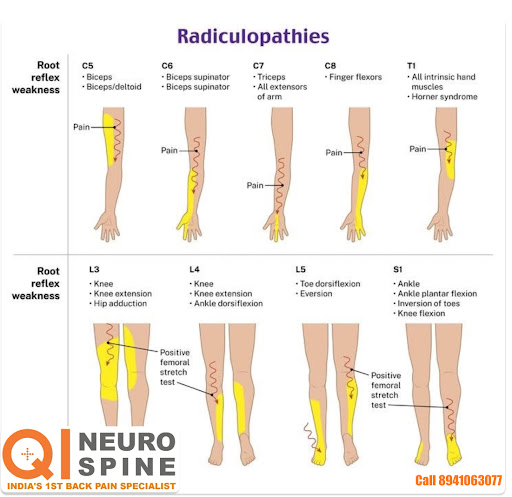
Cervical radiculopathy

सरवाइकल रेडिकुलोपैथी एक ऐसी स्थिति है जिसमें गर्दन में तंत्रिका जड़ दब जाती है, जिससे गर्दन, कंधे, बांह और हाथ में दर्द, सुन्नता और कमजोरी जैसे लक्षण उत्पन्न होते हैं। यह आमतौर पर हर्नियेटेड डिस्क या सर्वाइकल स्पोंडिलोसिस से उत्पन्न हड्डी के स्पर्स के कारण होता है। उपचार प्रायः रूढ़िवादी होता है, जिसमें दर्द निवारक दवाइयां और फिजियोथेरेपी शामिल होती है, हालांकि गंभीर मामलों में सर्जरी भी आवश्यक हो सकती है। लक्षण दर्द: यह गर्दन, कंधे, बांह या हाथ में हो सकता है। सुन्न होना: प्रभावित तंत्रिका द्वारा आपूर्ति किये जाने वाले क्षेत्रों में संवेदना का नुकसान। मांसपेशियों में कमजोरी: तंत्रिका द्वारा नियंत्रित मांसपेशियों में शक्ति की कमी। कम हुई सजगता: एक प्रतिवर्ती प्रतिक्रिया जो सामान्य से कम होती है। चुभन: झुनझुनी या चुभन जैसी अनुभूति। कारण हर्नियेटेड डिस्क: जब डिस्क का नरम केंद्र बाहरी परत में किसी दरार के माध्यम से बाहर की ओर धकेलता है, तो यह तंत्रिका मूल को संकुचित कर सकता है। सर्विकल स्पॉन्डिलाइसिस: एक अपक्षयी स्थिति जिसमें गठिया के कारण अस्थि स्पर्स का निर्माण होता है और वह स्थान संकीर्ण हो जाता है जहां तंत्रिका जड़ें रीढ़ से बाहर निकलती हैं। अन्य कारण: आघात, या तंत्रिका जड़ों को प्रभावित करने वाले अन्य घाव भी इसका कारण हो सकते हैं।

Cervical radiculopathy post imageRead full post

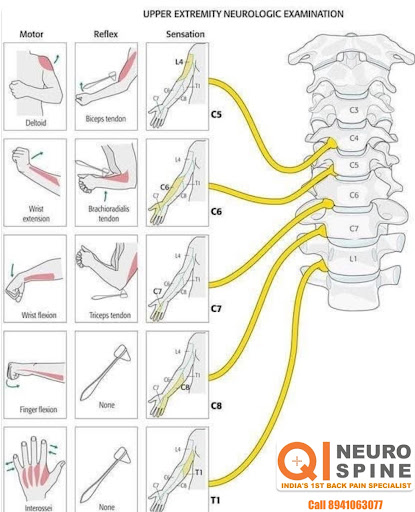
The is a diagram illustrating the upper extremity neurologic examination, which assesses the func…

The is a diagram illustrating the upper extremity neurologic examination, which assesses the function of the peripheral nervous system. It shows the relationship between specific spinal nerve roots and the motor, reflex, and sensation functions of the arm. Motor: The diagram links specific movements, such as wrist extension and flexion, to the corresponding nerve roots (e.g., C6 and C7). These movements are called myotomes, which are groups of muscles innervated by a single spinal nerve root. Reflex: It shows the reflexes tested in the upper arm, including the biceps, brachioradialis, and triceps reflexes, and their associated nerve roots (C5, C6, and C7, respectively). Sensation: The diagram illustrates the dermatomes, which are specific areas of the skin that are innervated by a single spinal nerve. This helps to assess sensory function, with the diagram showing the dermatomes for C5 through T1. Spinal Nerve Roots: The diagram shows the spinal cord and the cervical nerve roots (C3-T1) as they exit the vertebrae. Damage to these nerve roots can lead to a loss of a specific reflex or other neurological symptoms.

The is a diagram illustrating the upper extremity neurologic examination, which assesses the func… post imageRead full post

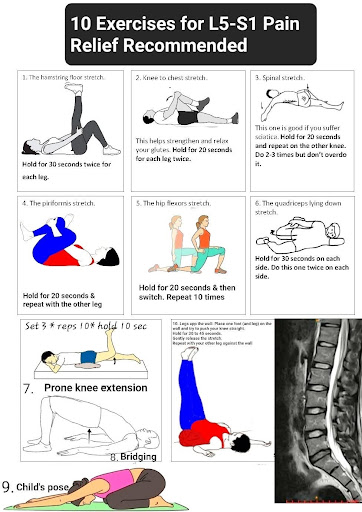
Exercises for L5-S1 Pain Relief Recommended

#TherapeuticTechniques #casemanagement Stretching exercises (Step-1) 1. Hamstring floor stretch 2. Knee to chest stretch 3. Spinal stretch 4. Piriformis stretch 5. Hip flexors stretch 6. Quadriceps lying down stretch 7. Prone knee extension 8. Bridging 9. Child’s pose 10. Legs up the wall #discbulgetreatment #HerniatedDisc #lowbackpainrelief #physiotherapy #athome #exercises #recovery #Advice #Ergonomics #Positioning #healthtips #HomeAdvice

Exercises for L5-S1 Pain Relief Recommended post imageRead full post

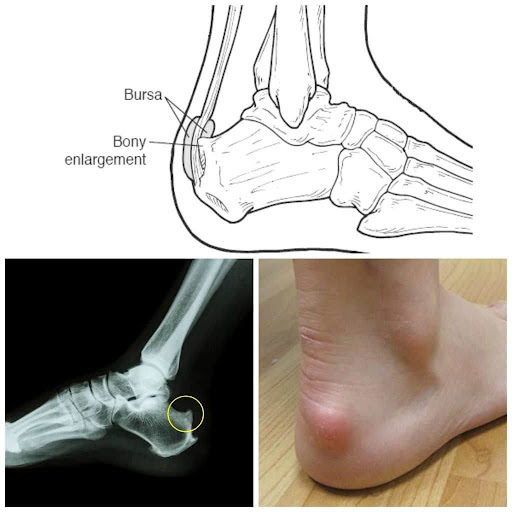
🦶 Haglund's Deformity: Understanding the "Pump Bump"

■ Definition: Haglund's deformity is defined as an abnormality of the bone and soft tissues in the foot. It is an enlargement of the bony section of the heel where the Achilles tendon inserts. It is characterized clinically as a symptomatic osseous prominence of the posterolateral corner of the calcaneus. This prominence results in posterior heel pain and swelling around the insertion of the Achilles Tendon. Haglund’s deformity is often associated with retrocalcaneal bursitis. 📜 Key Facts and History ■ Described by Patrick Haglund in 1928. ■ Previously known as “winter heel” and “pump bump.” ■ “Pump bump” refers to pressure from the rigid backs of pump-style shoes that aggravate posterior heel pain and swelling. 👩‍🦰 Epidemiology ■ Occurs mostly in young females. ■ Most common in women aged 15–35 years, especially those who wear heels regularly. ■ Also common in runners. ⚙️ Etiology and Predisposing Factors While largely idiopathic, several factors predispose individuals to developing it: ■ Genetics (hereditary): Bone structure may predispose to the deformity. ■ High foot arches (Cavo varus deformities): The heel tilts backward into the Achilles Tendon, leading to bony protrusion and inflamed bursa. ■ Tight Achilles Tendon: Causes pain by compressing the inflamed bursa. ■ Walking on the outside of the heel: Causes calcaneus to grind against the tendon, forming an inflamed bursa. ■ Increase in weight. ■ Injury. ■

🦶 Haglund's Deformity: Understanding the "Pump Bump" post imageRead full post

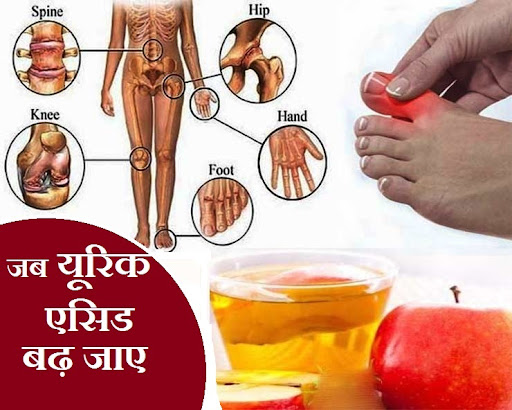
हाई यूरिक एसिड कंट्रोल कैसे करें?- How To Control High Uric Acid in Hindi

हाई यूरिक को कंट्रोल करने के लिए डाइट और लाइफस्टाइल का विशेष ध्यान रखना चाहिए। डाइट में गड़बड़ी हाई यूरिक एसिड का मुख्य कारण हो सकती है। शरीर में यूरिक एसिड की मात्रा कंट्रोल करने के लिए इन चीजों का ध्यान रखना चाहिए- हेल्दी डाइट अपनाएं और प्रोटीन वाले फूड्स का सेवन कम करें डाइट में हाई फाइबर और विटामिन सी वाले फूड्स शामिल करें शराब का सेवन और स्मोकिंग छोड़ें पर्याप्त मात्रा में पानी जरूर पिएं

हाई यूरिक एसिड कंट्रोल कैसे करें?- How To Control High Uric Acid in Hindi post imageRead full post