Skip to content
Moradabad, Uttar Pradesh, 244001

Business hours

Qi Neuro spine Physiotherapy clinic

Monday
9am-7pm
Tuesday
9am-7pm
Wednesday
9am-7pm
Thursday
9am-7pm
Friday
9am-7pm
Saturday
9am-7pm
Sunday
Not provided

You can anytime during the day with your query.

8941063077

Latest Posts & Updates

Fresh stories, announcements and offers about Doctor, Chiropractor, Physiotherapist, straight from our business.

गठिया (Gout): गठिया एक जोड़ों की समस्या है जो कि यूरिक एसिड की मात्रा बढ़ने के कारण हो सकती है। यू…

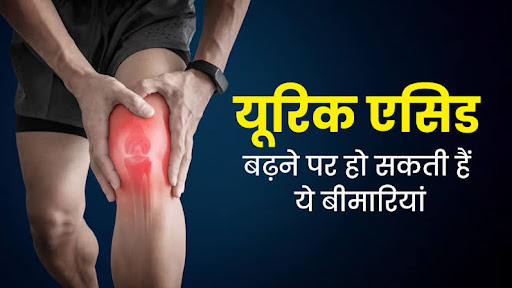
गठिया (Gout): गठिया एक जोड़ों की समस्या है जो कि यूरिक एसिड की मात्रा बढ़ने के कारण हो सकती है। यूरिक एसिड जोड़ों में आकर शरीर के ऊतकों में जम जाता है, जिससे जोड़ों में दर्द, सूजन, और लालिमा होती है। यह सामान्यत: पैर के अंगूठे, घुटनों, या पैर की उंगलियों में होता है। पथरी (Kidney Stones): यूरिक एसिड बढ़ने से, यूरिक एसिड क्रिस्टल्स की मात्रा बढ़ने लगती है, जो पथरी (Stone) के रूप में जाना जाता है। पथरी बनने पर यह पेशाब के रास्ते में जमा होकर गंभीर समस्या का कारण बनती हैं। हृदय रोग (Heart Disease): यूरिक एसिड बढ़ने के कारण शरीर में ब्लड का रोटेशन बढ़ जाता है, जो दिल के लिए हानिकारक हो सकता है। इसकी वजह से धमनियों और नसों को गंभीर नुकसान पहुंचने का खतरा रहता है।

गठिया (Gout): गठिया एक जोड़ों की समस्या है जो कि यूरिक एसिड की मात्रा बढ़ने के कारण हो सकती है। यू… post imageRead full post

𝙈𝙚𝙘𝙝𝙖𝙣𝙞𝙘𝙖𝙡 𝙇𝙤𝙬 𝘽𝙖𝙘𝙠 𝙋𝙖𝙞𝙣

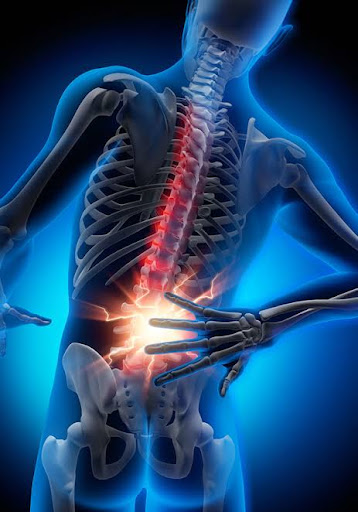
Mechanical low back pain refers to pain originating from the spine, intervertebral discs, facet joints, ligaments, muscles, or fascia in the lumbar region. It is non-specific in most cases and is not due to systemic disease, serious pathology, or nerve root compression. 🔹 𝙀𝙥𝙞𝙙𝙚𝙢𝙞𝙤𝙡𝙤𝙜𝙮 1) Most common type of low back pain (over 90% of cases) 2) Affects 60-80% of individuals at some point in their lives 3) Common in ages 20–55 years 4) Higher incidence among sedentary workers, manual laborers, and those with poor posture 🔹 𝘾𝙖𝙪𝙨𝙚𝙨 Mechanical low back pain is due to structural or functional derangements. Common causes include: -Muscle or ligament strain -Poor posture and prolonged static postures -Disc degeneration or annular tears -Facet joint dysfunction -Sacroiliac joint dysfunction -Poor biomechanics (e.g., faulty lifting technique) -Weak core or gluteal muscles -Leg length discrepancy 🔹 𝘾𝙡𝙞𝙣𝙞𝙘𝙖𝙡 𝙋𝙧𝙚𝙨𝙚𝙣𝙩𝙖𝙩𝙞𝙤𝙣 -Localized pain in the lower back (usually L4-L5, L5-S1) -Pain may be sharp, dull, or aching -Pain worsens with movement (bending, lifting, twisting) -Relieved by rest or lying down -No radiculopathy (no radiation to legs in typical cases) -No neurological deficits like numbness,

𝙈𝙚𝙘𝙝𝙖𝙣𝙞𝙘𝙖𝙡 𝙇𝙤𝙬 𝘽𝙖𝙘𝙠 𝙋𝙖𝙞𝙣  post imageRead full post

Which Factors Might be Causing Your Neck Pain?

Neck pain has many potential causes, including: Poor Posture: Slouching or sitting with a forward head posture can cause neck strain. Muscle Strain: Muscle tension is caused by overuse through activities such as texting or working at a computer. Injury: The neck muscles and ligaments suffer injuries from whiplash or sudden movements. Herniated Disc : A slipped disc in the spine is said to cause neck pain when the nerves get pressed. Arthritis: Wear and tear in the neck joints can lead to pain and stiffness. Stress: Emotional stress can cause tension in neck muscles, leading to discomfort. Which Factors Might be Causing Your Neck Pain Poor Posture: Slouching or sitting with a forward head posture can cause neck strain. Muscle Strain: Muscle tension is caused by overuse through activities such as texting or working at a computer. Injury: The neck muscles and ligaments suffer injuries from whiplash or sudden movements. Herniated Disc : A slipped disc in the spine is said to cause neck pain when the nerves get pressed. Arthritis: Wear and tear in the neck joints can lead to pain and stiffness. Stress: Emotional stress can cause tension in neck muscles, leading to discomfort

Which Factors Might be Causing Your Neck Pain? post imageRead full post

Cervical Pain: Understanding Its Meaning, Causes, And Relief Options

The cervical spine provides support and mobility to the head. It includes the neck and upper part of the spine. Pain in the cervical region can be debilitating and disturb the normal functioning of the other parts of the body. Cervical pain not only makes you physically inactive but also disturbs your routine activities. This article will focus on cervical pain meaning, its causes, and relief options. What is Cervical Pain? What is cervical pain? Cervical pain is a debilitating pain experienced by many in their neck. Innumerable people throughout the world are affected by this pain. The pain may be mild to severe. It can interfere with a person’s everyday activities. Therefore, it is important to consult with an orthopedist as soon as possible if you experience cervical pain. Signs and Symptoms of Cervical Pain A person suffering from cervical pain may also experience other symptoms, such as: Headache: Some people experience headaches along with cervical pain. It may happen due to muscle strain or tension in the neck. Stiffness: Cervical pain also causes reduced flexibility and tightness in the muscles and it becomes difficult to turn around the neck or move head with ease. Radiating Pain: Sometimes, the cervical pain may extend sideways to the shoulders or arms. Difficult Sleep: Some people are unable to sleep comfortably due to cervical pain. Vertigo: Cervical pain also causes vertigo.

Cervical Pain: Understanding Its Meaning, Causes, And Relief Options post imageRead full post

Physical therapy for a back injury involves a combination of exercises to improve strength, flexi…

Physical therapy for a back injury involves a combination of exercises to improve strength, flexibility, and function, along with other methods like manual therapy, hydrotherapy, or electrotherapy. Key exercises often include pelvic tilts, bridging, and stretches like single knee-to-chest. It is crucial to start with low-impact exercises, avoid prolonged bed rest, and stop if pain worsens. Types of physical therapy Exercise-based therapy: A core component that uses specific exercises to strengthen back and core muscles and improve flexibility. Manual therapy: Hands-on techniques to improve joint mobility and reduce pain. Hydrotherapy: Using water-based exercises to reduce stress on the spine. Electrotherapy: Modern approaches that use electrical stimulation to help with pain relief. Postural correction: Focusing on correcting everyday posture habits that may contribute to back pain.

Physical therapy for a back injury involves a combination of exercises to improve strength, flexi… post imageRead full post

(1) Define the scope of spine physiotherapy, focusing on its role in non-surgical and post-operat…

(1) Define the scope of spine physiotherapy, focusing on its role in non-surgical and post-operative management of common spinal conditions (e.g., herniated discs, spinal stenosis, chronic low back pain). (2) Briefly detail the fundamental anatomy of the spine, highlighting structures commonly targeted in physical therapy (vertebrae, discs, ligaments, deep stabilizing muscles). (3) Research the initial assessment and diagnostic procedures physiotherapists use to evaluate spinal dysfunction (e.g., movement analysis, neurological screening, special tests). (4) Detail the core therapeutic goals of spine physiotherapy, including pain reduction, restoration of mobility, and functional strengthening. (5) Identify and describe common manual therapy techniques used in spine physiotherapy, such as spinal mobilization, soft tissue release, and manipulation. (6) Explain key therapeutic exercise approaches for spinal rehabilitation, including core stabilization exercises (e.g., transverse abdominis, multifidus training) and the McKenzie Method (MDT). (7) Investigate the application of physical modalities (e.g., TENS, electrical stimulation, heat/cold therapy) as adjunctive treatments in spine physiotherapy. (8) Summarize standard post-operative rehabilitation protocols for common spine surgeries (e.g., microdiscectomy, spinal fusion), emphasizing phases and precautions. (9) Examine the critical role of patient education in spine physiotherapy, covering proper body mechanics, posture

(1) Define the scope of spine physiotherapy, focusing on its role in non-surgical and post-operat… post imageRead full post

Chronic back pain is caused by structural issues like degenerative disc disease, herniated discs,…

Chronic back pain is caused by structural issues like degenerative disc disease, herniated discs, and arthritis, as well as injuries, muscle strain, and lifestyle factors. Other causes can include osteoporosis, infections, certain medical conditions, and poor posture Lifestyle and other factors Poor posture: Spending long hours in an upright position, or using unsupportive furniture, can contribute to back pain. Obesity: Excess weight puts added pressure on the spine. Smoking: This is a contributing factor to back pain. Inactivity: A sedentary lifestyle and weak back and abdominal muscles can lead to pain. Stress and anxiety: These can manifest as muscle tension.

Chronic back pain is caused by structural issues like degenerative disc disease, herniated discs,… post imageRead full post

You’ve reached the end of these updates.