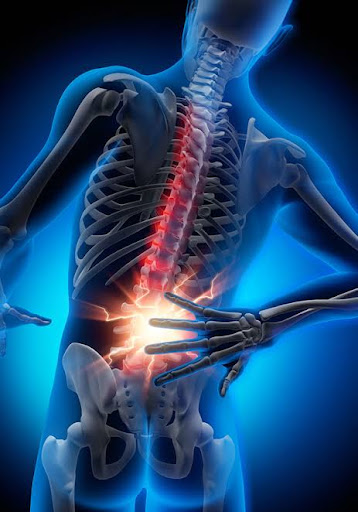
𝙈𝙚𝙘𝙝𝙖𝙣𝙞𝙘𝙖𝙡 𝙇𝙤𝙬 𝘽𝙖𝙘𝙠 𝙋𝙖𝙞𝙣
𝙈𝙚𝙘𝙝𝙖𝙣𝙞𝙘𝙖𝙡 𝙇𝙤𝙬 𝘽𝙖𝙘𝙠 𝙋𝙖𝙞𝙣
Mechanical low back pain refers to pain originating from the spine, intervertebral discs, facet joints, ligaments, muscles, or fascia in the lumbar region. It is non-specific in most cases and is not due to systemic disease, serious pathology, or nerve root compression.
🔹 𝙀𝙥𝙞𝙙𝙚𝙢𝙞𝙤𝙡𝙤𝙜𝙮
1) Most common type of low back pain (over 90% of cases)
2) Affects 60-80% of individuals at some point in their lives
3) Common in ages 20–55 years
4) Higher incidence among sedentary workers, manual laborers, and those with poor posture
🔹 𝘾𝙖𝙪𝙨𝙚𝙨
Mechanical low back pain is due to structural or functional derangements. Common causes include:
-Muscle or ligament strain
-Poor posture and prolonged static postures
-Disc degeneration or annular tears
-Facet joint dysfunction
-Sacroiliac joint dysfunction
-Poor biomechanics (e.g., faulty lifting technique)
-Weak core or gluteal muscles
-Leg length discrepancy
🔹 𝘾𝙡𝙞𝙣𝙞𝙘𝙖𝙡 𝙋𝙧𝙚𝙨𝙚𝙣𝙩𝙖𝙩𝙞𝙤𝙣
-Localized pain in the lower back (usually L4-L5, L5-S1)
-Pain may be sharp, dull, or aching
-Pain worsens with movement (bending, lifting, twisting)
-Relieved by rest or lying down
-No radiculopathy (no radiation to legs in typical cases)
-No neurological deficits like numbness,